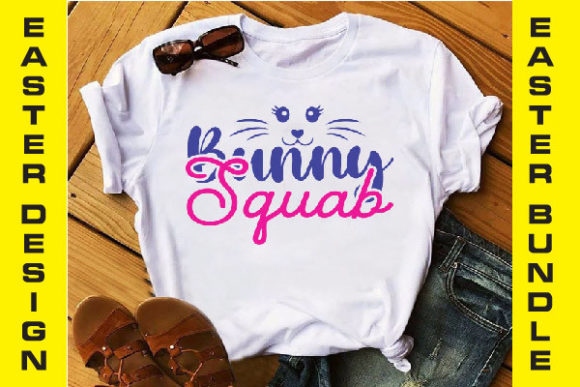
Bunny Squab: A Designer's Real-World Embroidery Review
As someone who has spent years stitching custom apparel, refining boutique branding, and reviewing digital assets for commercial use, I approach every new download with a mix of excitement and skepticism. When Bunny Squab landed in my workflow, I didn't just look at the preview image; I immediately started visualizing how it would behave under the needle on various fabrics. In the world of machine embroidery design, a file can look perfect on a screen but fail miserably in a hoop. This review breaks down exactly where Bunny Squab shines and where you need to exercise caution before adding it to your next embroidery project.
The First Impression: Mood and Visual Personality
The moment you open the files, the personality of Bunny Squab is clear. It exudes a cozy, modern charm that feels perfectly suited for the current market trends in handmade goods. Unlike some overly detailed designs that lose their shape when scaled down, this piece relies on clean lines and a strong silhouette. The name itself suggests a sense of comfort and relaxation, which translates well into the visual language of the stitch.
For an Etsy seller or a small shop product owner, this mood is gold. It creates an immediate emotional connection with buyers looking for personalized gifts. Whether you are planning a nursery collection or a holiday-themed line, Bunny Squab offers a versatile aesthetic that feels both professional and inviting. It avoids the cluttered look of older styles, opting instead for a streamlined approach that works beautifully as a focal point on a garment or accessory.
Real-Life Application: From Digital File to Finished Product
I recently tested Bunny Squab on a variety of materials to see how it holds up in actual production scenarios. The first test was on a heavy cotton canvas tote bag intended for a craft fair booth. The design's balance of satin stitch and running stitch elements held up remarkably well against the rough texture of the fabric. The edges remained crisp, and the overall shape did not distort even after the initial wash cycle.
Next, I moved to softer fabrics. On a baby onesie made of fine jersey, the design performed admirably, provided the correct stabilizer was used. The lack of excessive density meant the fabric didn't pucker, preserving the soft hand-feel that parents expect from baby clothing. This makes Bunny Squab an excellent candidate for baby embroidery projects, where comfort is just as important as appearance.
I also experimented with the design on a sweatshirt for a small business client. Here, the versatility of the embroidery file became apparent. The design looked equally striking on a dark navy background as it did on a light heather gray. For custom apparel, this adaptability is crucial. You do not want to be limited to one color palette when creating a cohesive brand identity. The clean vector paths ensure that the stitch density remains consistent regardless of the thread colors you choose.
Where Caution Is Required
While Bunny Squab is a robust design, no single file is a magic bullet for every situation. There are specific constraints you must consider to avoid a finished product that looks unprofessional. One area to watch closely is the hoop size. If you attempt to stitch this design on a very small surface, such as a baseball cap or a tiny pocket, the details may become lost or the curves might look jagged. Always verify that your hoop size matches the dimensions of the design before starting.
Fabric texture is another critical factor. On highly textured fabrics like chunky knits or bouclé, the definition of the stitches can get swallowed by the weave. Similarly, on stretchy fabrics without adequate stabilization, the design may warp over time. If you are working with dark fabric, pay close attention to the thread contrast. While the design is simple, low-contrast threads can make the outline disappear, reducing the impact of the embroidered patch or graphic.
Additionally, if your design includes any tiny lettering or intricate corners, test them thoroughly. Dense stitch areas can sometimes cause the fabric to bunch up, leading to a lumpy finish. This is particularly relevant for commercial embroidery where quality control standards are high. Always inspect the design assets in black and white mockups to ensure the structural integrity holds up without the distraction of color.
Impact on Brand Value and Customer Trust
In the competitive landscape of craft business and online marketplaces, the quality of your embroidery speaks volumes about your brand. A sloppy stitch job can ruin a sale, but a clean, well-executed design builds trust. Bunny Squab contributes positively to this perception because its modern layout suggests a level of care and precision.
When customers receive a personalized gift or a tote bag design that features a crisp, professional-looking motif, they are more likely to leave positive reviews and return for future purchases. The design acts as a silent ambassador for your handmade product. It elevates the perceived value of the item, making it feel like a premium good rather than a mass-produced commodity. For digital product sellers creating printable mockups, having a high-quality source file like this ensures your previews look as good as the real thing.
Practical Notes for the Embroidery Designer
Before you commit to a large run of Print Templates or start selling items featuring Bunny Squab, there are several technical steps you should take. First and foremost, always test the design on scrap fabric. This allows you to adjust tension, thread type, and stabilizer choice without risking your final inventory.
Review the stitch density carefully. If the design feels too heavy for your chosen fabric, you may need to reduce the fill percentage or switch to a lighter weight stabilizer. Confirm that the file formats you received—such as AI, EPS, SVG, and PDF—are compatible with your digitizing software. Check whether the design includes instructions for applique design techniques if you plan to add layers for texture.
Don't forget to check the licensing terms. If you intend to sell finished items, ensure you have the commercial rights to use the digital embroidery file. Some licenses restrict the number of units you can produce or require attribution. Also, compare the design on both light and dark backgrounds to ensure the thread choices provide enough contrast for visibility.
Finally, consider the longevity of the embroidery project. Will the item be subjected to frequent washing? If so, ensure the thread colors are colorfast and the stitches are secure. A design that fades or unravels after a few washes will damage your reputation as a creative entrepreneur.
Bunny Squab is a solid addition to any designer's toolkit, offering a blend of modern style and practical utility. By understanding its strengths and respecting its limitations, you can create stunning embroidery projects that resonate with your audience and stand the test of time.