Gingerbread Man Woman Signs: A Designer's Real-World Review
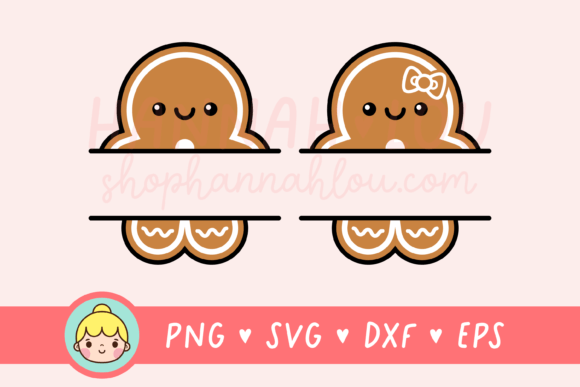
When I first opened the file for Gingerbread Man Woman Signs, my immediate reaction was one of warmth and nostalgia. As someone who spends countless hours evaluating machine embroidery designs for client projects and my own handmade shop, I know that a design's true value isn't just in its digital preview but in how it translates to thread and fabric. This kawaii, Christmas-inspired piece immediately signaled a specific mood: cozy, festive, and undeniably cute. It feels less like a generic holiday graphic and more like a character you'd want to see on a child's sweater or a boutique apron.
The layout is clean, with a clear focal point that suggests a narrative without needing complex background elements. For an embroidery designer, this clarity is gold. It means the design will stitch up crisply without getting lost in a sea of fill stitches. The visual personality here is distinct—it leans heavily into the "kawaii" aesthetic, which has proven time and again to be a winner for gift markets and children's apparel. But does it hold up when we move from the screen to the hoop?
From Digital File to Finished Product
I recently tested Gingerbread Man Woman Signs for a real-life scenario: creating a custom line of holiday-themed tote bags and sweatshirts for a local craft fair. My goal was to produce items that felt professional enough to command a higher price point while maintaining that charming, handmade appeal. The design comes in multiple formats including PNG, SVG, DXF, and EPS, which is incredibly convenient for versatility across different platforms, though for actual stitching, I focused on the vector-based files to ensure scalability.
On the heavy cotton canvas of the tote bag, the design performed admirably. The lines were sharp, and the contrast between the gingerbread figures and the dark fabric background created a striking visual impact. When I moved to a soft fleece sweatshirt, the texture of the fabric interacted beautifully with the design. The slight give of the fleece allowed the satin stitches to settle naturally, giving the finished product a plush, inviting feel that customers love to touch. It is exactly the kind of embroidery project that elevates a standard garment into a personalized gift.
However, not every surface is created equal. I also attempted to place the design on a structured baseball cap. While the concept works well for headwear, the curvature of the cap presented a challenge. The design needs a flat, stable area to maintain its proportions. On a curved surface, the details can sometimes distort if the hoop size isn't perfectly matched to the curve. This is where practical experience matters; you must test hoop size carefully before committing to a full production run.
Navigating Fabric Challenges
One of the most critical aspects of reviewing any machine embroidery design is understanding its limitations regarding fabric type. Gingerbread Man Woman Signs relies on a balance of stitch types—likely a mix of satin stitch for outlines and fill stitch for the bodies. This combination looks fantastic on medium-weight fabrics like denim, twill, or flannel. However, using this on very thin, stretchy materials requires caution. Without proper stabilization, the tension could cause puckering, ruining the neat appearance of the characters.
I also considered using this design on textured fabrics, such as bouclé or chunky knits. In these cases, the fine details might get swallowed by the fabric's texture. For a design with small features or delicate lettering, a smooth surface is usually safer to ensure legibility and definition. If you are planning to use this for commercial embroidery on varied inventory, knowing your substrate is key. The design shines brightest on flat, stable surfaces where the stitch density can be appreciated fully.
Visual Appeal and Customer Perception
In the world of Etsy sellers and small business owners, the visual presentation of a product often dictates the sale. Gingerbread Man Woman Signs offers high recognition value. The theme is universally understood, requiring no explanation. When a customer sees this on a baby onesie or a kitchen towel, they immediately connect it with holiday joy and family traditions. This emotional connection drives engagement and trust in your brand.
The design's charm adds significant perceived value to a handmade product. A plain white t-shirt becomes a statement piece once adorned with these detailed figures. It transforms a simple commodity into a personalized gift that feels thoughtful and curated. For those creating digital embroidery files or selling finished goods, this design is a strong asset for printable mockups and social media previews because it stands out visually even in thumbnail size.
That said, there are areas where care is needed. If you are working with dark fabrics, the thread color selection becomes paramount. Lighter threads might get lost, while darker threads could blend in too much depending on the shade. I recommend testing thread colors against your specific fabric swatches before finalizing the order. Additionally, for products that require frequent washing, like baby clothes or aprons, ensuring the stabilizer is removed properly and the stitches are secure is vital to prevent unraveling over time.
Practical Notes for the Embroidery Designer
Before you dive into production, here are a few essential steps I always take to ensure success with a new design file:
- Test on Scrap Fabric: Always run a test stitch-out on a scrap piece of the same material you plan to use. This reveals potential issues with tension, distortion, or density that aren't visible on a screen.
- Check Small Details: Zoom in on the design to inspect tiny corners or fine lines. Ensure these elements are large enough to stitch cleanly without breaking needles or causing thread breaks.
- Review Stitch Density: High-density areas can lead to stiff spots in the fabric. Make sure the design balances coverage with flexibility, especially for wearable items like hoodies.
- Verify Licensing: If you intend to sell finished items featuring Gingerbread Man Woman Signs, confirm the commercial usage rights. Some licenses allow for single-item sales, while others may require a broader agreement for mass production.
- Mockup Testing: Create black-and-white mockups to check the contrast and silhouette. This helps you visualize how the design will look regardless of the thread color chosen.
This design is versatile enough to fit into a wide range of categories, from holiday embroidery on seasonal decor to custom apparel for winter events. Whether you are making embroidered patches, tote bag designs, or baby embroidery pieces, the quality of the source file plays a huge role in the final outcome.
Ultimately, Gingerbread Man Woman Signs is a solid addition to any crafter's library. It brings a cohesive, festive vibe that resonates with buyers looking for authentic, handcrafted touches. By paying attention to fabric choices, stabilization techniques, and thread contrasts, you can turn this digital asset into a stunning finished product that your customers will cherish. It is a reminder that great design isn't just about what you see; it's about how it feels when stitched into existence.